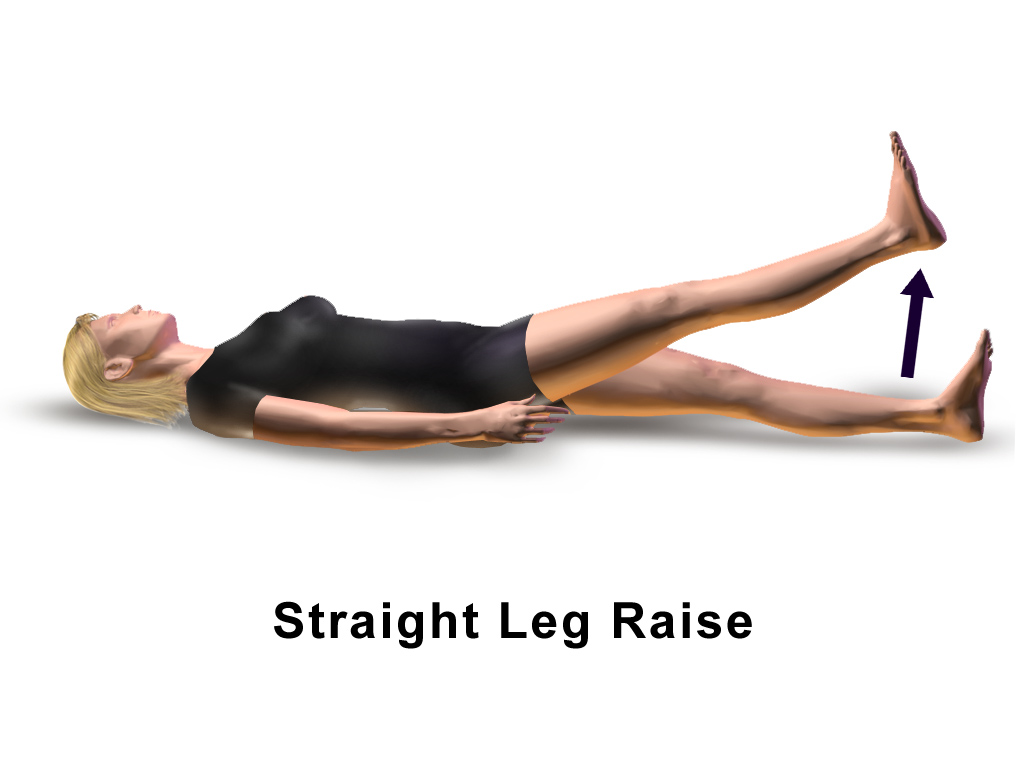
Straight Leg Raise

Active Straight Leg Raise Test Download Scientific Diagram

Knee Pain Straight Leg Raise Sitting The Chartered Society Of Physiotherapy
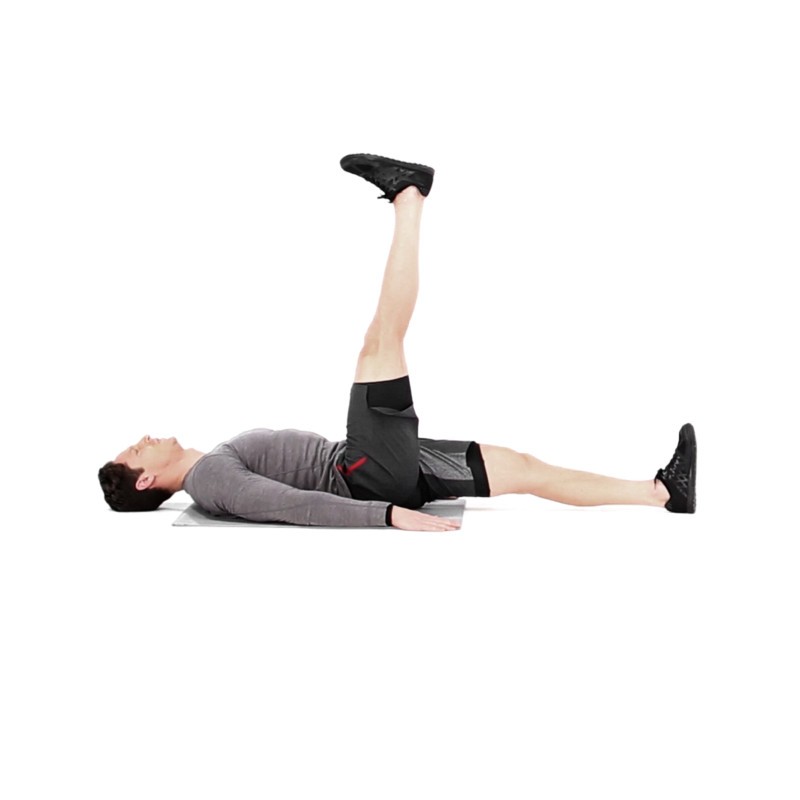
Lying Straight Leg Raise Exercise Video Guide Muscle Fitness

Abduction Straight Leg Raise Straight Leg Raise Sports Injury Prevention Injury Prevention

Passive Straight Leg Raise Pslr Download Scientific Diagram
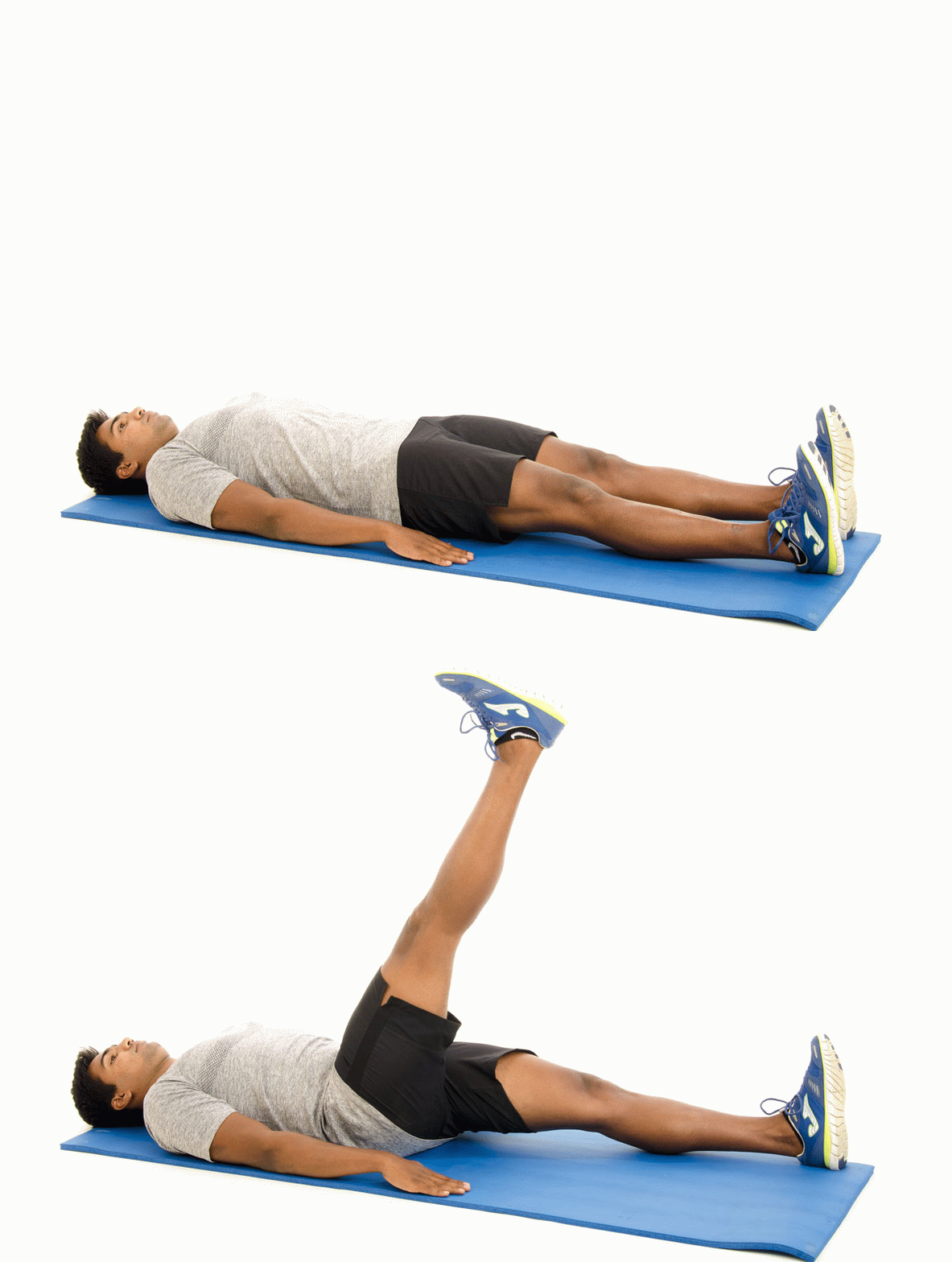
Straight Leg Raise Vissco Healthcare Private Limited
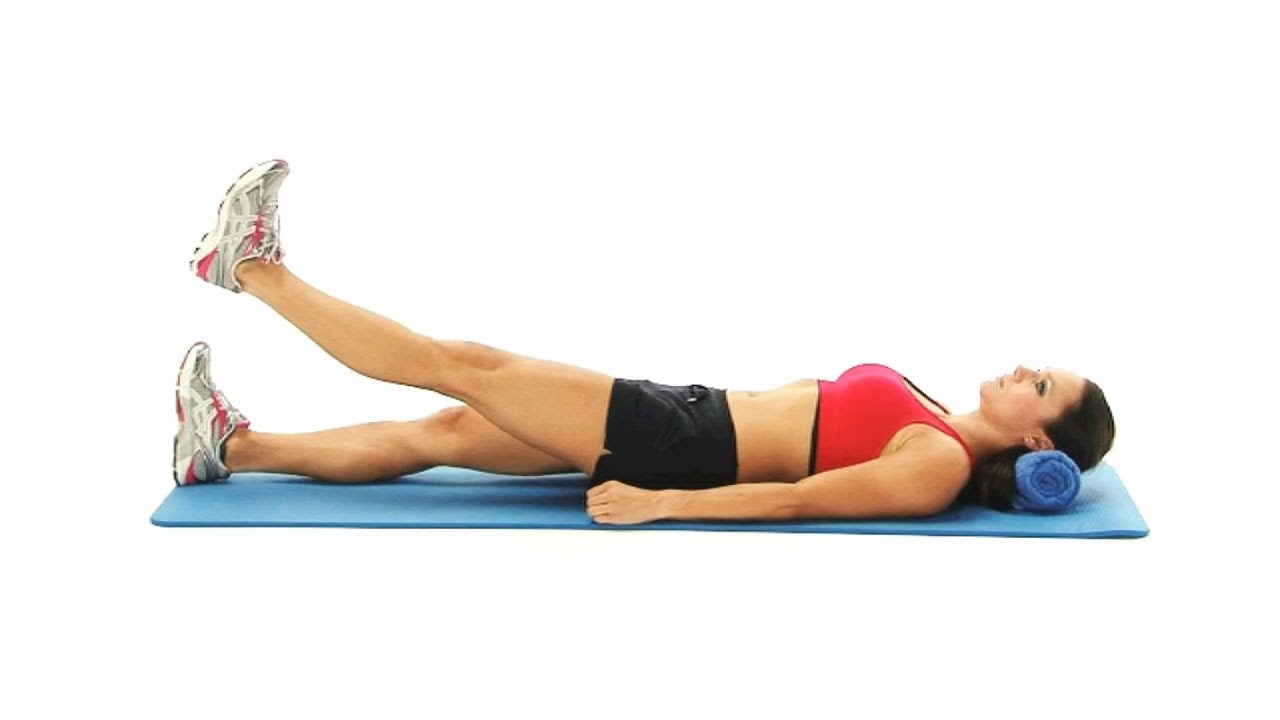
Straight Leg Raises will make ya or break ya!.

Straight leg raise. Learn straight leg raise, body bridges and body clams Body Bridges Get a strong core and backside with a simple but effect bridge exercise Strengthens core, hip and buttocks muslces Lying on a bed or mat with your knees bent and feet flat, press down into your feet and raise your hips. I think the SLR as an exercise should be retired from the physical therapy world. It's the most difficult exercise that any total hip replacement or total knee replacement recipient has ever faced And, it always comes sooner than you are ready for it!.
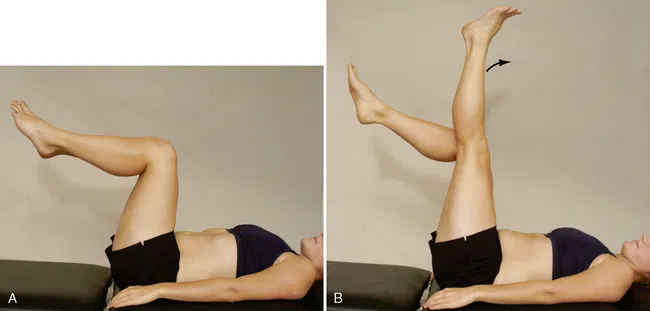
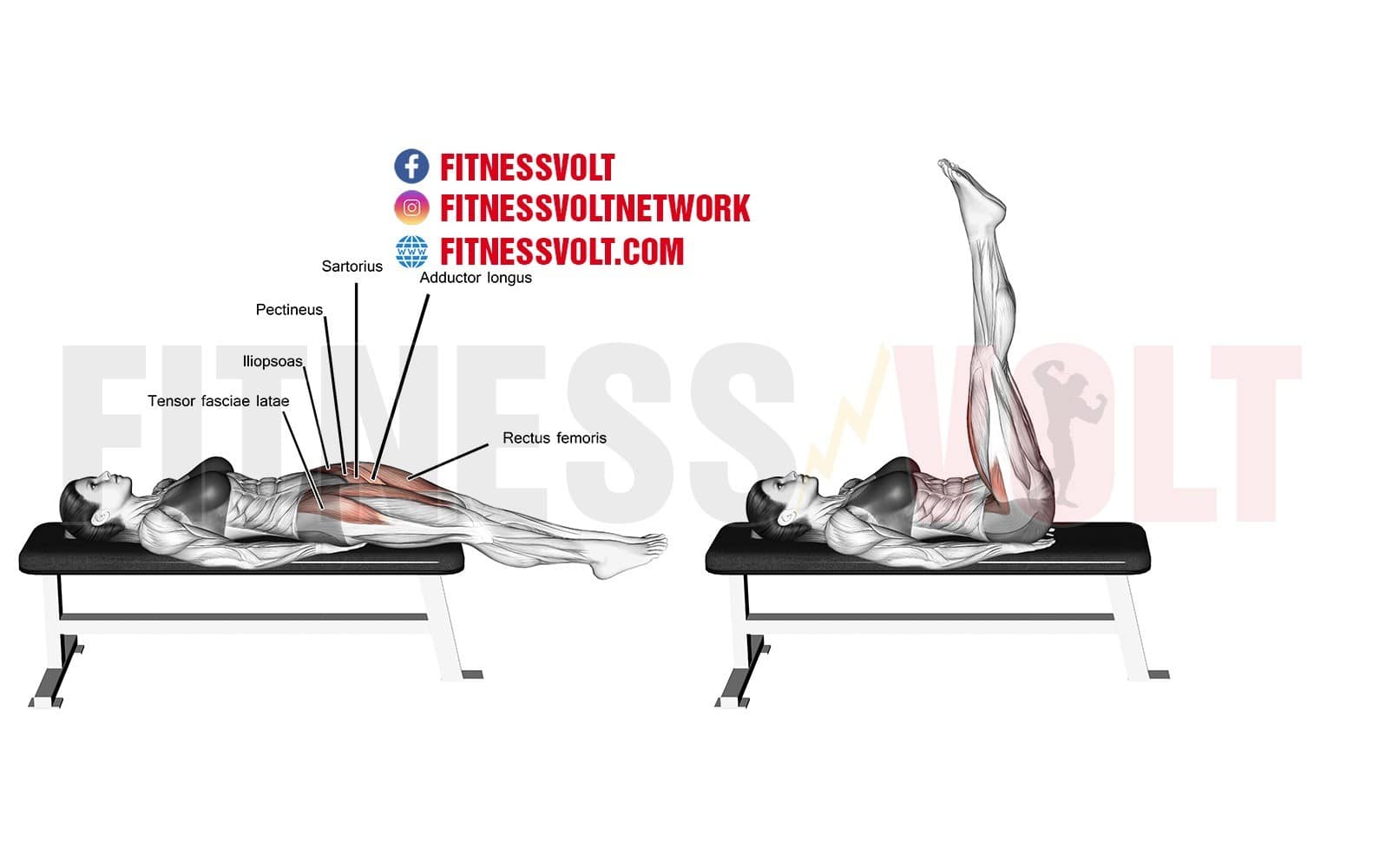
SLR Test/ Straight Leg Raise Test PROCEDURE Patient is supine Place their affected leg in adduction and internal rotation Raise the affected leg by grasping it around the heel and flexing the hip ( their affected knee should be extended) Flex the hip until the patient feels pain ( usually around. Crossed Straight Leg Raise Test Purpose of Test To test for the presence of a disc herniation Test Position Supine Performing the Test The examiner will passively flex the patient’s uninvolved hip while maintaining the knee in full extension. Keeping your feet together and your legs straight, exhale as you flex your hips and raise your legs until they are vertical Inhale as you lower your legs to the starting position.
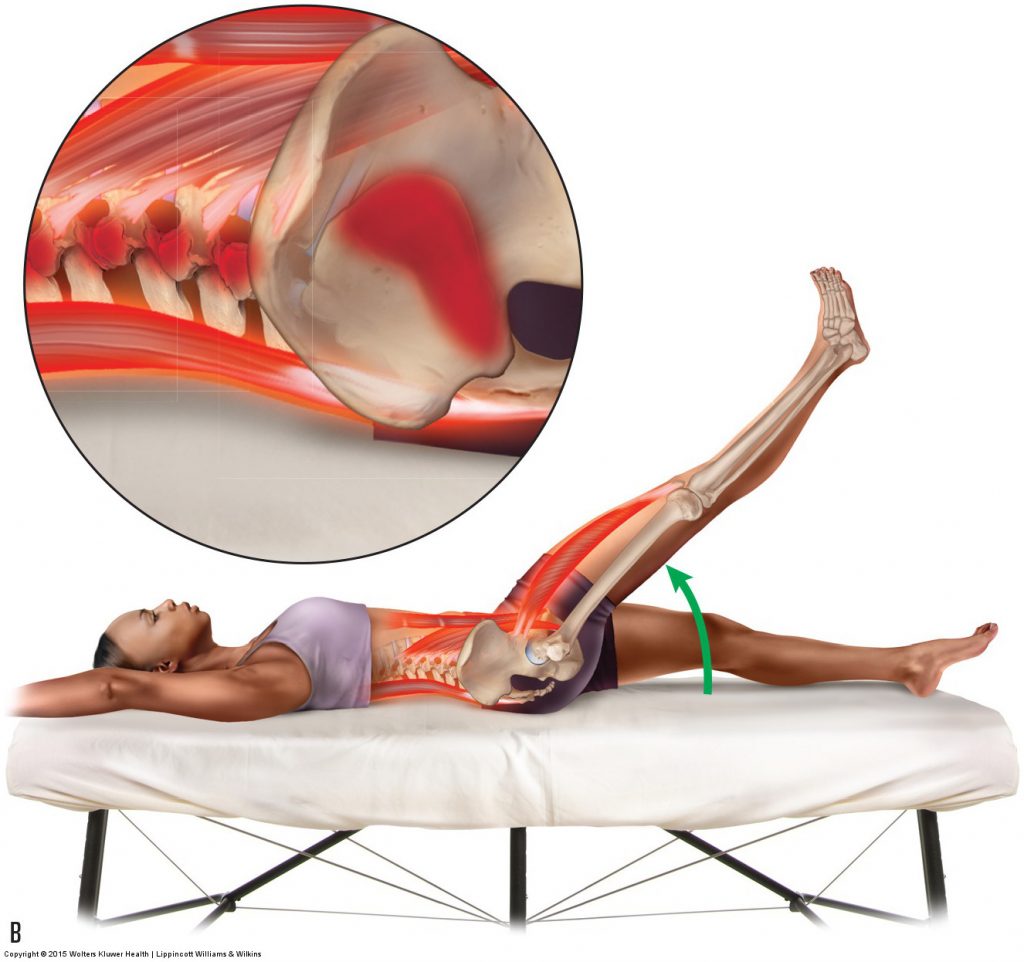
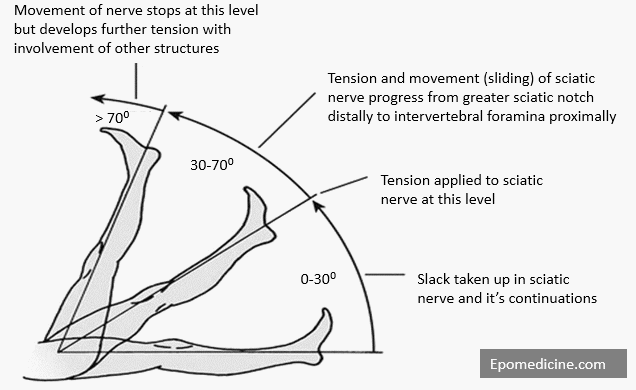
Therefore a midline herniation may not cause sciatica during straight leg raising and the test will be negative Movement of the nerve past neighouring structres stop altogether as the leg is raised past 70 degrees After 70 degrees, although these structures undergo further tension, other structures also become involved. Instructions Sit upright with one knee bent and one extended Flex the foot of your extended leg to a 90degree angle and gradually raise that leg until it’s about a foot off the floor Lower it. Straight Leg Raise and Manual Resistance Tests for Strains and Sprains Straight Leg Raise and Manual Resistance Tests Following are assessment tests that are used to assess conditions caused Passive Straight Leg Raise Passive SLR test is performed as described earlier in this series of blog.
Execution Keeping your feet together and your legs straight, exhale as you flex your hips and raise your legs until they are Inhale as you lower your legs to the starting position Repeat. Passive SLR test is performed by the therapist raising the client’s thigh into flexion at the hip joint while keeping the client’s knee joint fully extended It is important that the knee joint remains fully extended (hence the name straight leg raise) (Fig 10A) Because the client is not engaging musculature of the region to create this motion, the client is passive. Strength FourWay Straight Leg Raises 10 reps in all four directions = 1 set;.
Positive Likelihood Ratio ;. Strength FourWay Straight Leg Raises 10 reps in all four directions = 1 set;. Straight Leg Raise Test Sensitivity 8098%;.
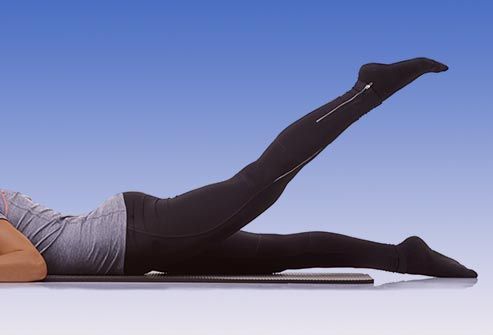
3 Prone Straight Leg Raises Lie on your stomach with your legs straight Tighten the muscles in your bottom and the hamstring of one leg, and lift toward the ceiling Hold 35 seconds, lower. Straight Leg Raises Tighten your thigh muscle with your knee fully straightened on the bed Lift your leg several inches Hold for 5 to 10 seconds Slowly lower Repeat until your thigh feels fatigued Straight leg raises Standing Exercises Soon after your surgery, you will be out of bed and able to stand You will require help at first but. The straightlegraise test can be performed with the patient supine or seated, although the supine test has higher sensitivity for lumbar disk herniation With supine straightlegraise testing.
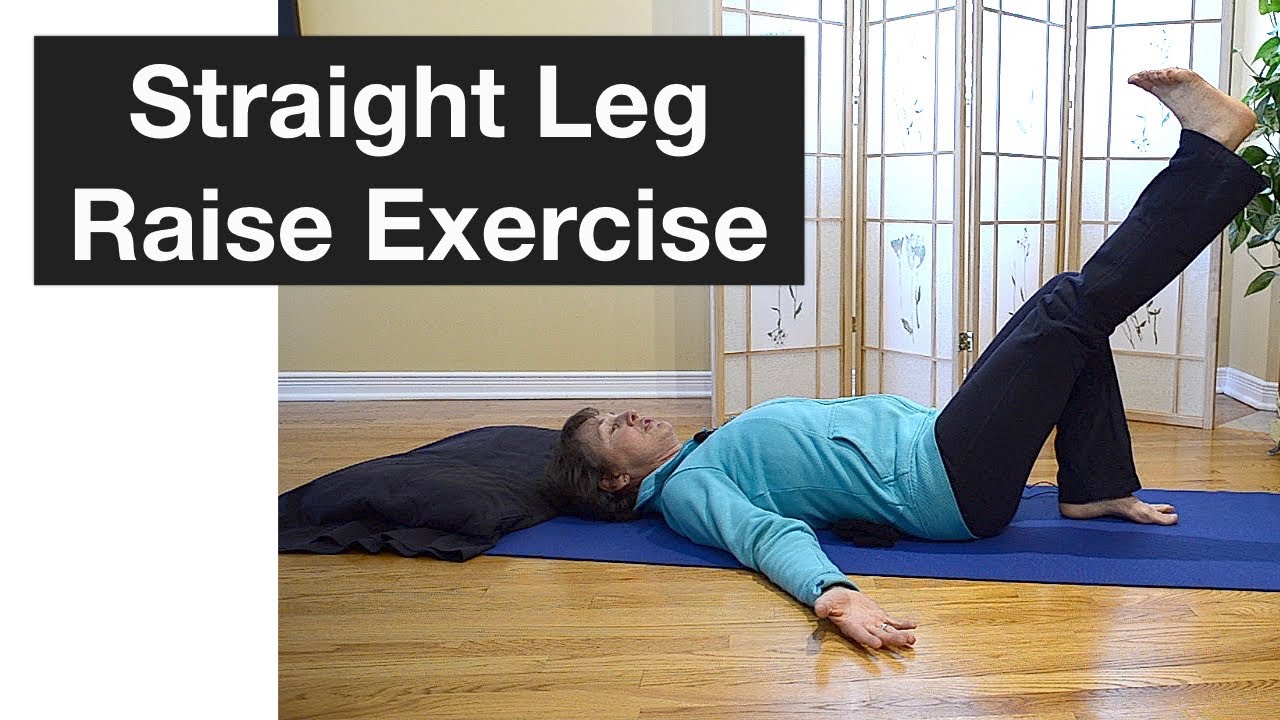
Seated Straight Leg Raise Test Patient is seated on the exam table with knees bent to 90° and legs hanging freely The examiner slowly extends one knee from the 90° starting position Continue passively extending the knee until pain/reproduction of symptoms is achieved in the tested leg or full extension reached. The straight leg raise is a cornerstone exercise in rehabilitation for knee replacements or many surgeries involving the lower leg, foot and ankle As the name implies, the straight leg raise exercise does not require you to bend the knee joint This is encouraged when an individual has advanced arthritis in their knee (s). Do 35 sets per day Flexion (front of hip) Abduction (outside of hip) Extension (backside of hip) Adduction (inside of hip) Remember Use caution and consult your physician, physical therapist, or athletic trainer if you're unsure about your exercises Do not push.
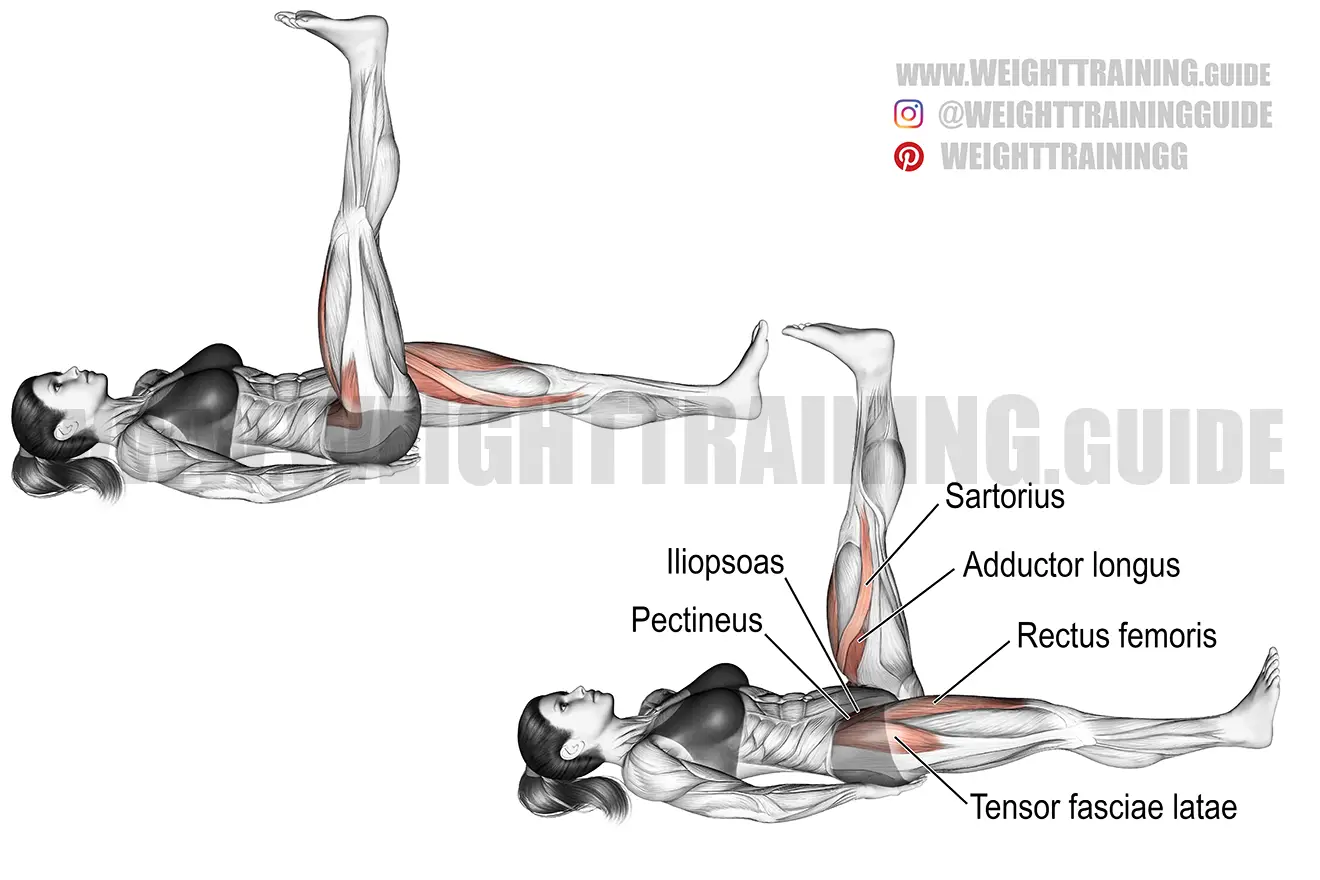
Straight leg raise test is a very fundamental physical neurological examination to find out signs of tension and compression over the sciatic nerve at the lumbosacral nerve root Straight leg raise test is also called as lasegues’ test It is a very basic test that is performed by a general physician to a neurologist alike. Active Straight Leg Raise (ASLR) Modulating the ASLR test There are a variety of modulations which can be performed and the type of modulation depends A normal response Greater abdominal and chest wall activation ipsilateral to the ASLR There should not be a change in An abnormal. Despite the name, straight leg raises squarely target the iliopsoas muscles of the hips This simple exercise also engages tons of thigh muscles – including the sartorius, pectineus, rectus femoris and the adductors – as synergists, or muscles that help other muscles complete a movement.
Straight Leg Raise The lumbar spine Christopher M Norris PhD MSc MCSP, in Managing Sports Injuries (Fourth Edition), 11 The straight Low Back Rehabilitation Julie Fritz PT, PhD, ATC, in Physical Rehabilitation of the Injured Athlete (Fourth Edition), Physical Examination of the Lumbar. The good ol’ straight leg raise (SLR) – how and why this became a staple of any lower extremity injury/pain/surgery is still a mystery to me More importantly, with all the advances in our profession, why are clinicians still using the SLR with their patients!?. Positive Likelihood Ratio 35 to 43 (high Positive Predictive Value) Negative Likelihood Ratio 072.
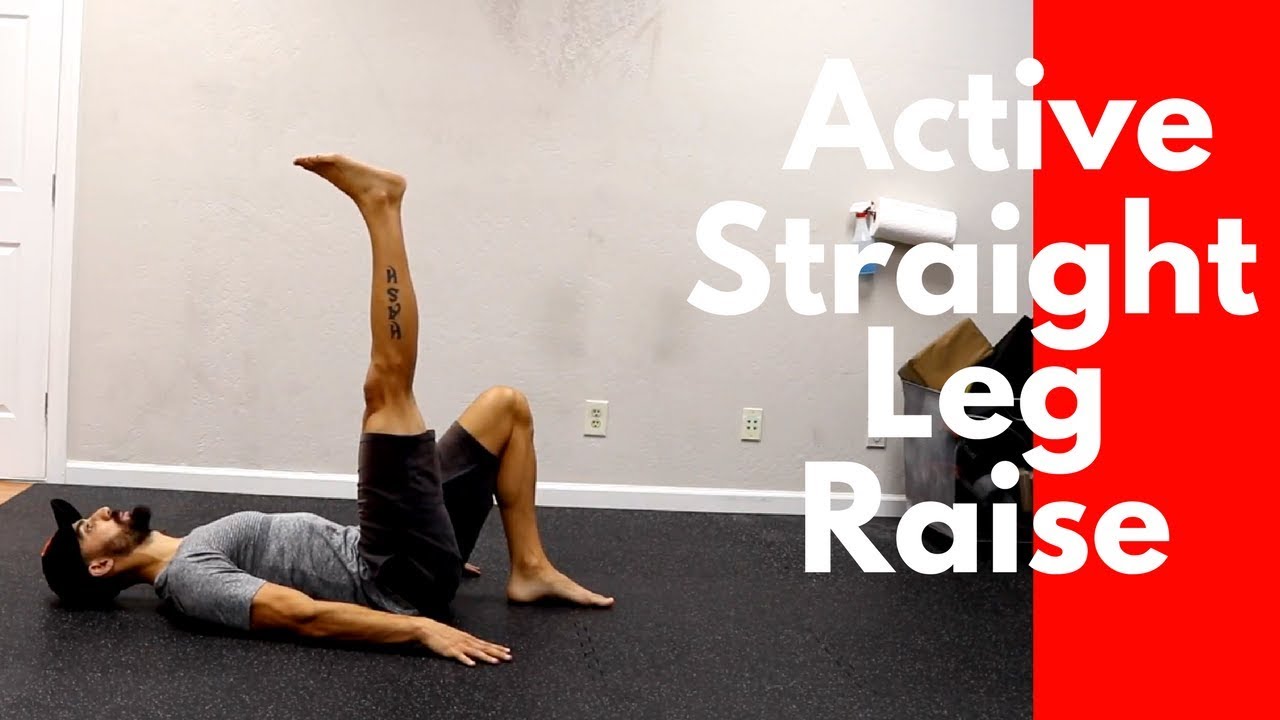
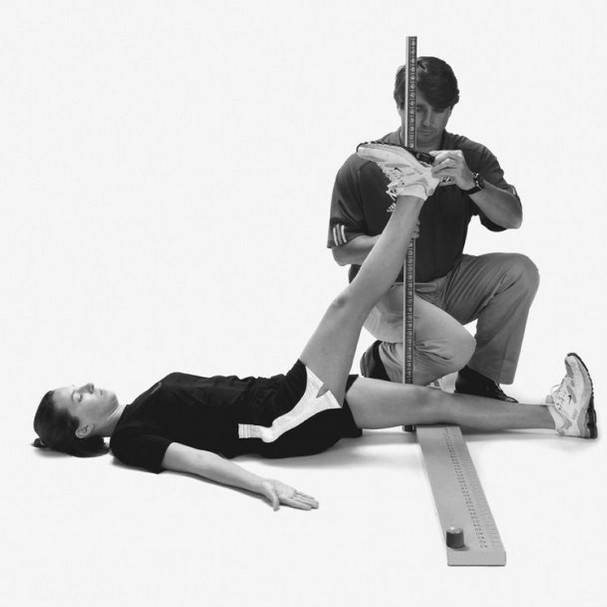
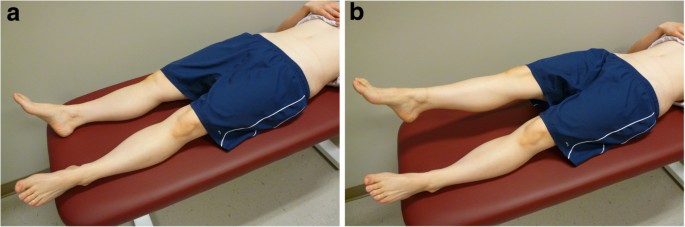
The active straight leg raise test (ASLR) is a loading test which is used to assess pain provocation and the ability to load the pelvis through the limb It is performed in lying and the patient is instructed to lift the leg cm off the bed (Mens, et al, 01). Enroll in our online course http//bitly/PTMSK DOWNLOAD OUR APP📱 iPhone/iPad https//googl/eUuF7w🤖 Android https//googl/3NKzJX GET OUR ASSESSMENT B. Place your arm straight on the floor under your head or bend your elbow and cradle your head for support Place your left hand out front for extra support or let it rest on your leg or hip As you.
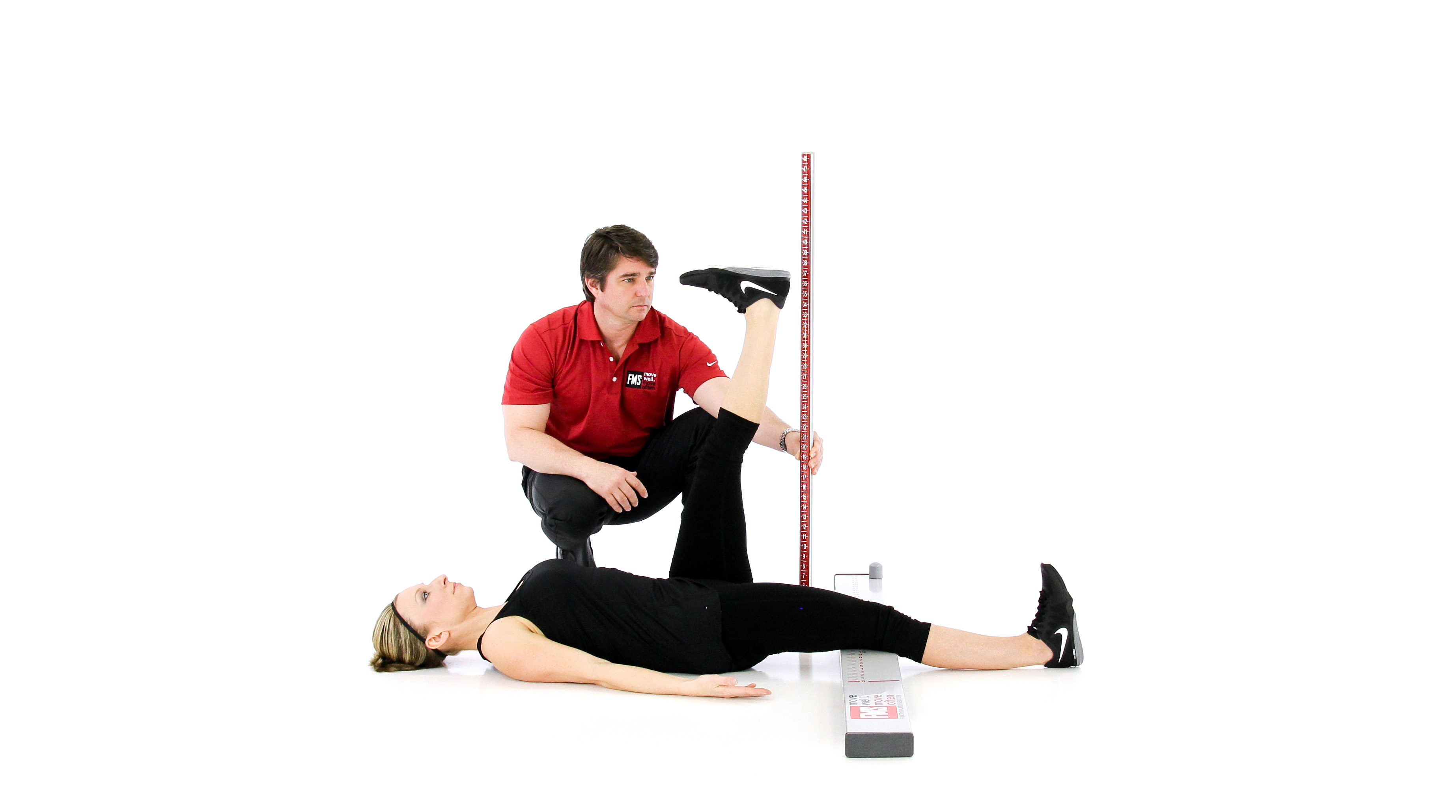
With the patient laid on their back raise one leg knee absolutely straight until pain is experienced in the thigh, buttock and calf record angle at which pain occurs a normal value would be 8090 degrees higher in people with ligament laxity perform sciatic stretch test dorsiflex foot at. The Basics Of The Leg Raise Assessing and Progressing Written by Eric D'Agati Thursday, March 22, 18 FMS Share on The Active Straight Leg Raise (ASLR) is one of the fundamental tests of the Functional Movement Screen (FMS) that is a lower limb reciprocal pattern that assesses dynamic hip mobility while simultaneously looking at core stability and motor control of the trunk and pelvis. Keeping your feet together and your legs straight, exhale as you flex your hips and raise your legs until they are vertical Inhale as you lower your legs to the starting position.
To perform a seated straight leg raise test, the patient is seated on the examination table with the hips and knees bent to 90° and legs hanging freely over the edge of the table The physician. Straight leg raise compression of lower lumbar nerve roots (L4S1) important to distinguish from hamstring tightness;. Straight leg raise positive, induces more pain Clinical presentation depends on the cause of the radiculopathy and which nerve roots are being affected Also important is the nature (sharp, dull, piercing, throbbing, stabbing, shooting, burning) and localisation of the pain.
The straight leg raise test is done to gauge several aspects of your legs' strength and stability It's most often performed to check muscle function but can be altered to look at nerve function, as well The test is performed while you lie flat on a bed. Learn straight leg raise with free interactive flashcards Choose from 12 different sets of straight leg raise flashcards on Quizlet. A central disc prolapse is likely with risk to the cauda equina and consequently, of bladder dysfunction Pain upon straight leg raising before the leg is raised 30 degrees cannot be due to disc prolapse as the nerve root is not stretched within this range Another explanation of nerve root irritation must then be sought.
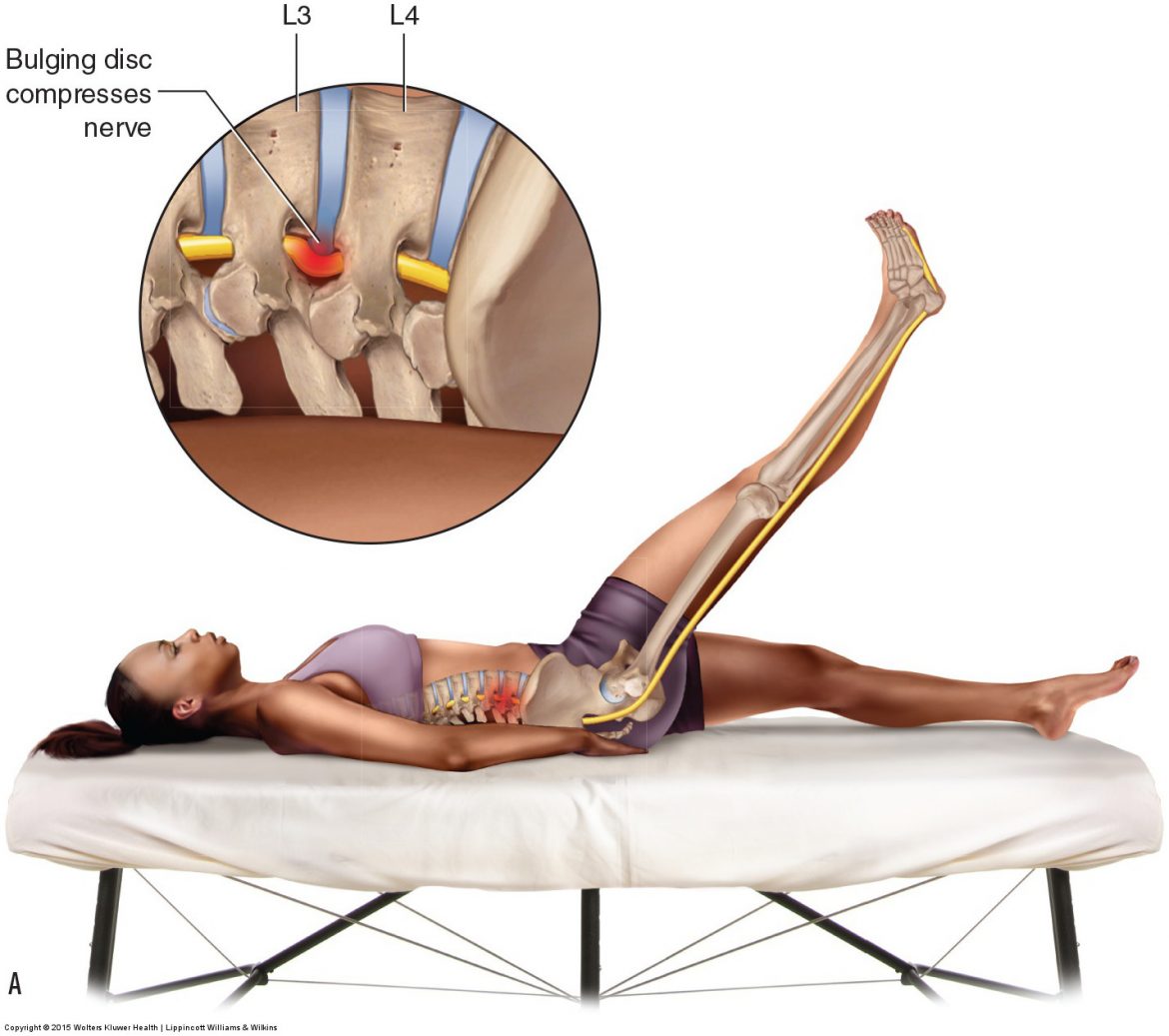
Leg raises are a very challenging core exercise because every time your straight legs dip down toward the ground, it's natural for your lumbar spine to flex Stabilizing your spine against that. The straight leg raise, also called Lasègue 's sign, Lasègue test or Lazarević's sign, is a test done during a physical examination to determine whether a patient with low back pain has an underlying nerve root sensitivity, often located at L5 (fifth lumbar spinal nerve). Straight Leg Raises will make ya or break ya!.
One test used most often to test for lumbar radiculopathy is called the straight raise leg (SLR) This test can be done in the sitting position or with the patient lying down (supine) The examiner lifts the patient’s leg to 90 degrees while keeping the knee straight Normally, the test movement causes the nerve to glide. Purpose To test if a modified straight leg raise test with a bias towards the peroneal nerve assist in the differential diagnosis of peroneal nerve pathology in people with neurologic symptoms associated with radiculopathy (1, 2) Patient position Supine lying Examiner position Standing beside the patient, at the side of the limb to be tested. Straight leg raise test Stepbystep method Straight leg raise test Straight leg raise test is aimed to find out any irritation, compression of sciatic nerve Step by step method Generally, the straight leg test is performed in the leg in which the patient is complaining of the Interpreting.
The Active Straight Leg Raise (ASLR) is one of the fundamental tests of the Functional Movement Screen (FMS) that is a lower limb reciprocal pattern that assesses dynamic hip mobility while simultaneously looking at core stability and motor control of the trunk and pelvis during single leg hip hinging A few notes to consider. STRAIGHT LEG RAISE INSTRUCTIONS 1 Lie on your back with your hands by your sides or underneath your glutes Keep your legs straight or just slightly 2 Raise your legs until your body is in an L shape 3 Pause, lower both legs slowly and then return to the starting position 4 Repeat until set. Doctors call this stretching excursion of the nerve If you have a lumbar herniated disc, it should press on the stretched nerve root as your leg is raised above 30°.
Single leg raise As explained above, one way to make the leg raise easier is to bend your knees during the movement, but another less taxing variation is to lift one limb at a time Keeping one leg. StraightLeg Raises Main muscles worked Quadriceps You should feel this exercise at the front of your thigh Equipment needed As the exercise becomes easier to perform, gradually increase the resistance by adding an ankle weight Begin with a 5 lb weight and gradually progress to a greater level of resistance, up to a 10 lb weight. The leg raise is a compound core exercise that strengthens the front and back side of your core Perform a leg raise by hanging from a bar and moving your legs until they are parallel with the floor The movement will make your entire core very stable and strong.
It's the most difficult exercise that any total hip replacement or total knee replacement recipient has ever faced And, it always comes sooner than you are ready for it!. 3 Prone Straight Leg Raises Lie on your stomach with your legs straight Tighten the muscles in your bottom and the hamstring of one leg, and lift toward the ceiling Hold 35 seconds, lower. Raise one leg straight up, keeping the thighs parallel Raise the hips off the ground Repeat about 10 to 15 times Leg raises Place both hands and knees on the floor Raise one foot back towards.
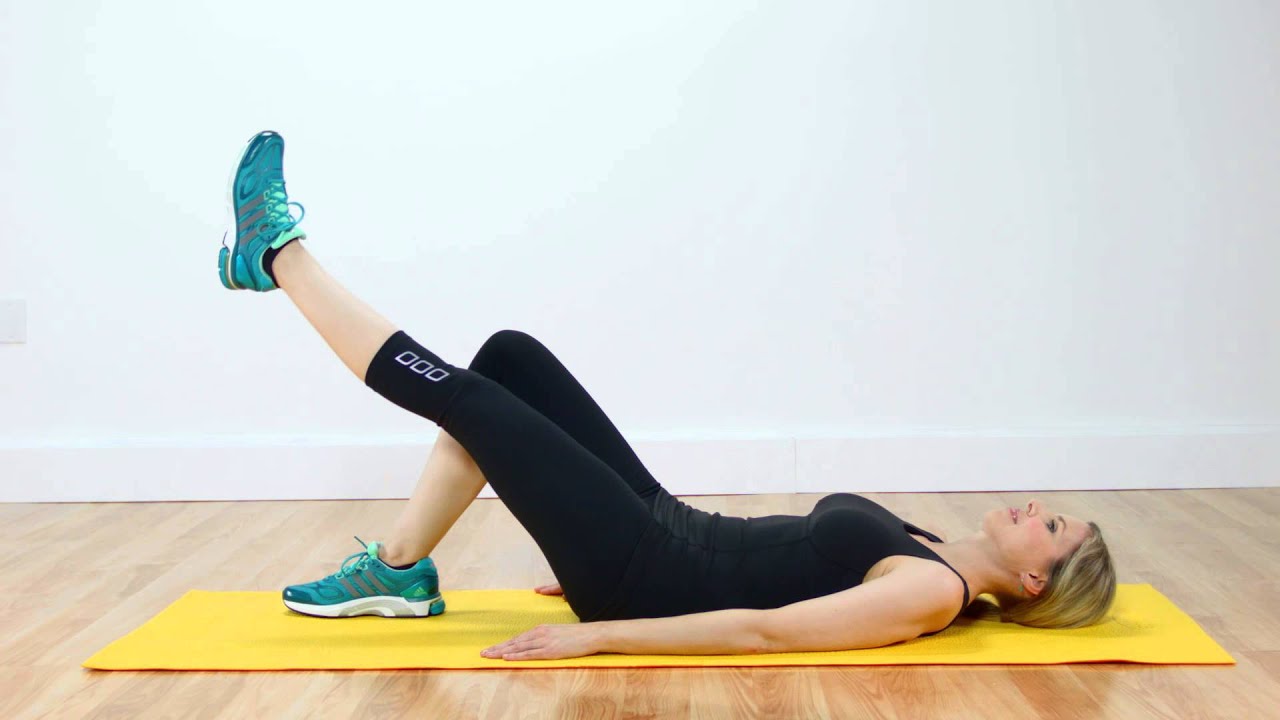
To start the straight leg raise Lie on your back with your hips square and your legs laid out comfortably on the floor Bend the knee of your noninjured leg at a 90degree angle, planting the foot flatly on the floor Stabilize the muscles on your straight leg by contracting your quadriceps (the. Welcome to Orthopaedic Medicine Tips and Tricks for Physical Therapists, a series of blog posts highlighting clinical and practical issues that PTs involved in musculoskeletal medicine are frequently confronted withToday’s topic 7 ways to interpret a positive Straight Leg Raise test The SLR test is a popular test often used for back patients. The straight leg raise is a passive test Each leg is tested individually with the normal leg being tested first 1 When performing the SLR test, the patient is positioned in supine without a pillow under his/her head, the hip medially rotated and adducted, and the knee extended.
3 Prone Straight Leg Raises Lie on your stomach with your legs straight Tighten the muscles in your bottom and the hamstring of one leg, and lift toward the ceiling Hold 35 seconds, lower. The Hanging Leg Raise – Tutorials and Progressions Step 1 Lying Knee Raise/Reverse Crunch To perform the lying exercises, have your upper body flat on the floor Your Step 2 Lying Bent Leg Raise Place your legs flat (or flatish) on the floor Lift your legs with your abs until they Step 3. Considered positive if symptoms produced with leg raised to 40° crossed straight leg raise performing straight leg raise in uninvolved leg produces symptoms in involved leg;.
(PTVideoTV iPhone/iPad App @ http//winzigs/ptvideoapp) Physical Therapy Videos from http//ptvideotv/ Straight Leg Raise Commonly Used For Knee pain. The straight leg raise test is used to evaluate for lumbar nerve root impingement or irritation This is a passive test in which each leg is examined individually It can be performed with the. All leg raise exercises improve the flexibility of both your abdomen and hips area since they involve constant joint movements This lets you stretch muscles to their maximum potential without feeling strained when climbing stairs or performing lunges They also improve your posture since every leg workout adds support to your midsection.
3 Prone Straight Leg Raises Lie on your stomach with your legs straight Tighten the muscles in your bottom and the hamstring of one leg, and lift toward the ceiling Hold 35 seconds, lower. Do 35 sets per day Flexion (front of hip) Abduction (outside of hip) Extension (backside of hip) Adduction (inside of hip) Remember Use caution and consult your physician, physical therapist, or athletic trainer if you're unsure about your exercises. Negative Likelihood Ratio 02 to 05 (high Negative Predictive Value) Crossed Straight Leg Raise Test Sensitivity Up to 3543%;.
The Straight Leg Raise which is also known by the name of Lasègue’s Sign is a test done on a patient with low back pain in order assess the cause of the low back meaning that whether the low back pain is caused due to a herniated disc or some other pathological condition This is quite an effective and accurate test to determine the cause of a low back pain. Active Straight Leg Raise Test Purpose Assess the stability of the lumbar spine and pelvic girdle (coxa and sacrum and associated joints sacroiliac and pubic symphysis joints) Instability has been defined as a condition where there is a loss of stiffness or protective mechanisms in a joint such that normally tolerated external loads. Straight leg raise – flexion 1 Lie on your back 2 Bend uninvolved knee and put foot on floor 3 Slowly tighten the thigh muscle of the involved leg, performing a quad set 4 Flex foot of involved leg toward nose.
The Straight Leg Raise (SLR) test can be used to determine if patient has true sciatica The patient lies supine with one leg either straight or flexed at the knee with the sole of the foot flat on the stretcher The other (affected) leg is kept straight and raised up by the examiner. A straight leg raise test is used to help diagnose a lumbar herniated disc because the simple act of raising your leg stretches your spinal nerve root;. The straight leg raise test is done to gauge several aspects of your legs' strength and stability It's most often performed to check muscle function but can be altered to look at nerve function, as well The test is performed while you lie flat on a bed.

Various Techniques Of Measurement And Assistance For Straight Leg Raise Download Scientific Diagram

Straight Leg Raise Pi Uptodate
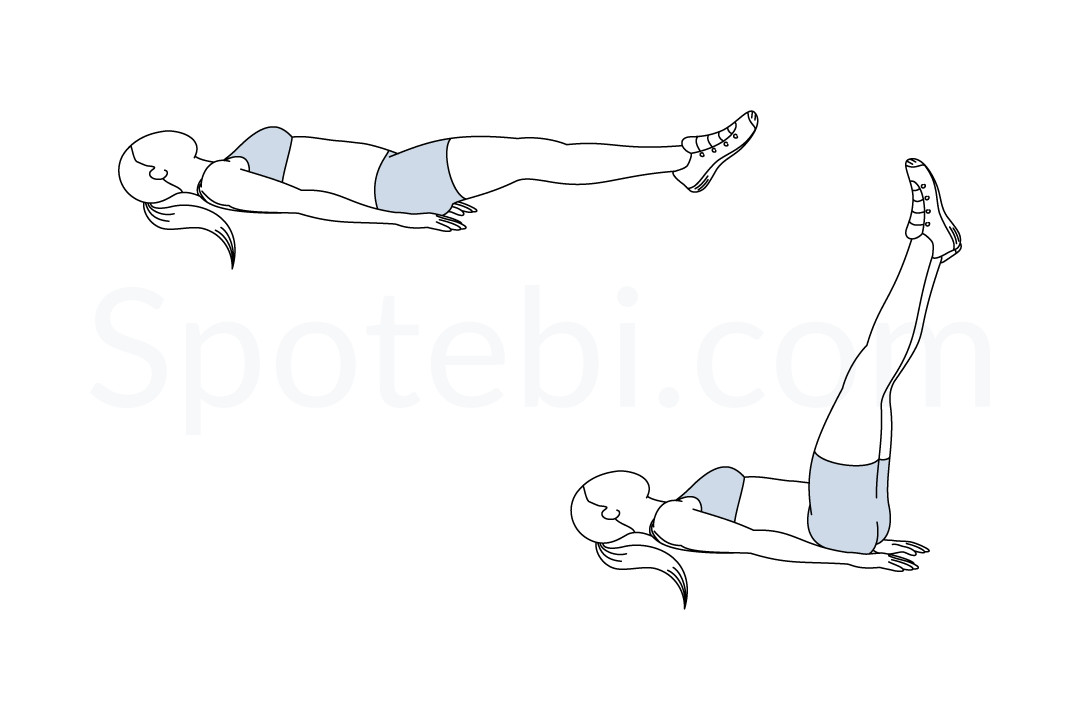
Straight Leg Raise Illustrated Exercise Guide
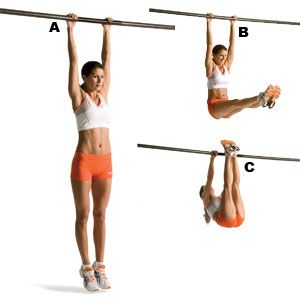
Hanging Straight Leg Raise

Active Straight Leg Raise Schematic Intra Abdominal Pressure Download Scientific Diagram

Straight Leg Raises Yoffie Life
:max_bytes(150000):strip_icc()/GettyImages-508700636-5c19832c46e0fb00010880c8.jpg)
How To Perform A Straight Leg Raise Test
File Exercise Straight Leg Raises Png Wikimedia Commons

Marchmadness Straight Leg Raise

Crossed Straight Leg Raise Test Crossed Over Lasegue Youtube

Theraband Clx Pattern Assisted Active Straight Leg Raise For Tight Hamstrings Modern Manual Therapy Blog Manual Therapy Videos Neurodynamics Podcasts Research Reviews

Straight Leg Raising Slr Test Figure 5 Terminal Knee Extension Download Scientific Diagram
Introduction To 90 90 Straight Leg Raise Assessment Curv Health
Straight Leg Raise And Manual Resistance Tests For Strains And Sprains

Straight Leg Raise Test An Angle Formed With The Torso Between 70 Download Scientific Diagram
The Basics Of The Leg Raise Assessing And Progressing Functional Movement Systems

Straight Leg Raise To The Front
Straight Leg Raising Test Slrt Pathophysiology Epomedicine

Straight Leg Raises Fitmachtgesund De

Trick Of The Trade Crossed Straight Leg Raise Test
Lying Straight Leg Raise Exercise Instructions And Video Leg Raise Exercise Leg Raises Workout For Flat Stomach
Straight Leg Raise Youtube

Supine Straight Leg Raise O Grady Orthopaedics

Straight Leg Raise Wikipedia
/Verywell-01-2696617-StraightLegRaise01-SM-5979faff0d327a0011c546b3.gif)
How To Do A Straight Leg Raise In Physical Therapy

Physiotutors Straight Leg Raise Test Slr Or Lasegue Test For Radicular Pain Facebook

Straight Leg Raise To The Outside Metropolitan Urology Group

Straight Leg Raise Supine Ask Doctor Jo Youtube

Straight Leg Raise Test Step By Step Method Physiosunit

Straight Leg Raise Test Lasegue S Test

Prone Straight Leg Raise Exercise How To Workout Trainer By Skimble
How To Active Straight Leg Raise Youtube

Straight Leg Raise Exercise How To Workout Trainer By Skimble

Active Straight Leg Raise Test Sacroiliac Pelvic Girdle Pain Youtube
Exercises To Help Knee Pain In Pictures

Straight Leg Raising Test
Q Tbn And9gcqa35p4yoe2rqdg3mukfddy8nmhncke Hirwgcffpzblqotl0q3 Usqp Cau

Aslr Active Straight Leg Raise Park View Physical Education

I The First Month H P

Straight Leg Raise Breathing Best On Health

Alternating Straight Leg Raise Straight Leg Raise Exercise Legs Workout

Hip Replacement Exercises Before Ankle Pumps Quad Sets Leg Raises
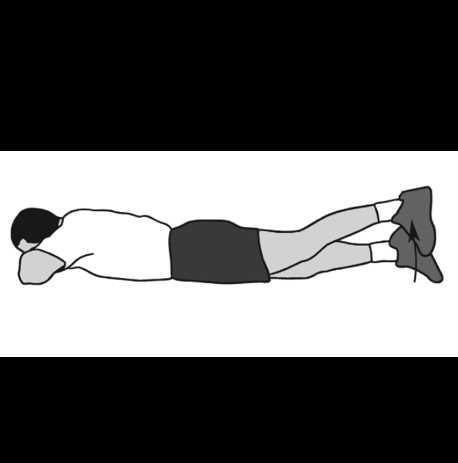
Straight Leg Glute Leg Raise Prone Body By Bodde

Straight Leg Raise What I D Say
/StraightLegRaise-5b8eee39c9e77c002cc3cce5-3a0f078aac1741f1a86be798958f3520.gif)
How To Do A Straight Leg Raise In Physical Therapy
Q Tbn And9gcrcf0tawoiooexj2l3lnxwf Pqxe5a 86j5ddb9zwwpivcm84nt Usqp Cau
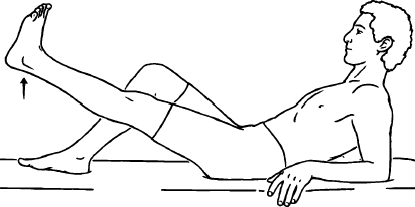
Strengthening Straight Leg Raise Phase 2

Exercises You Should Be Doing Core Engaged Active Straight Leg Raise
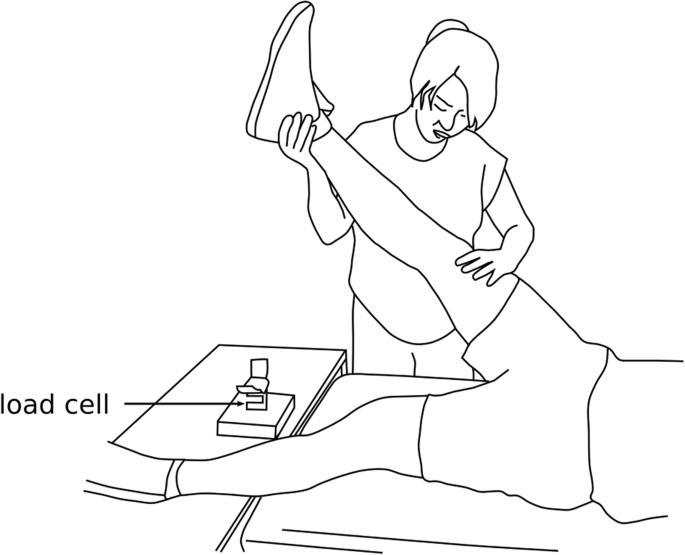
Involuntary Hamstring Muscle Activity Reduces Passive Hip Range Of Motion During The Straight Leg Raise Test A Stimulation Study In Healthy People Bmc Musculoskeletal Disorders Full Text
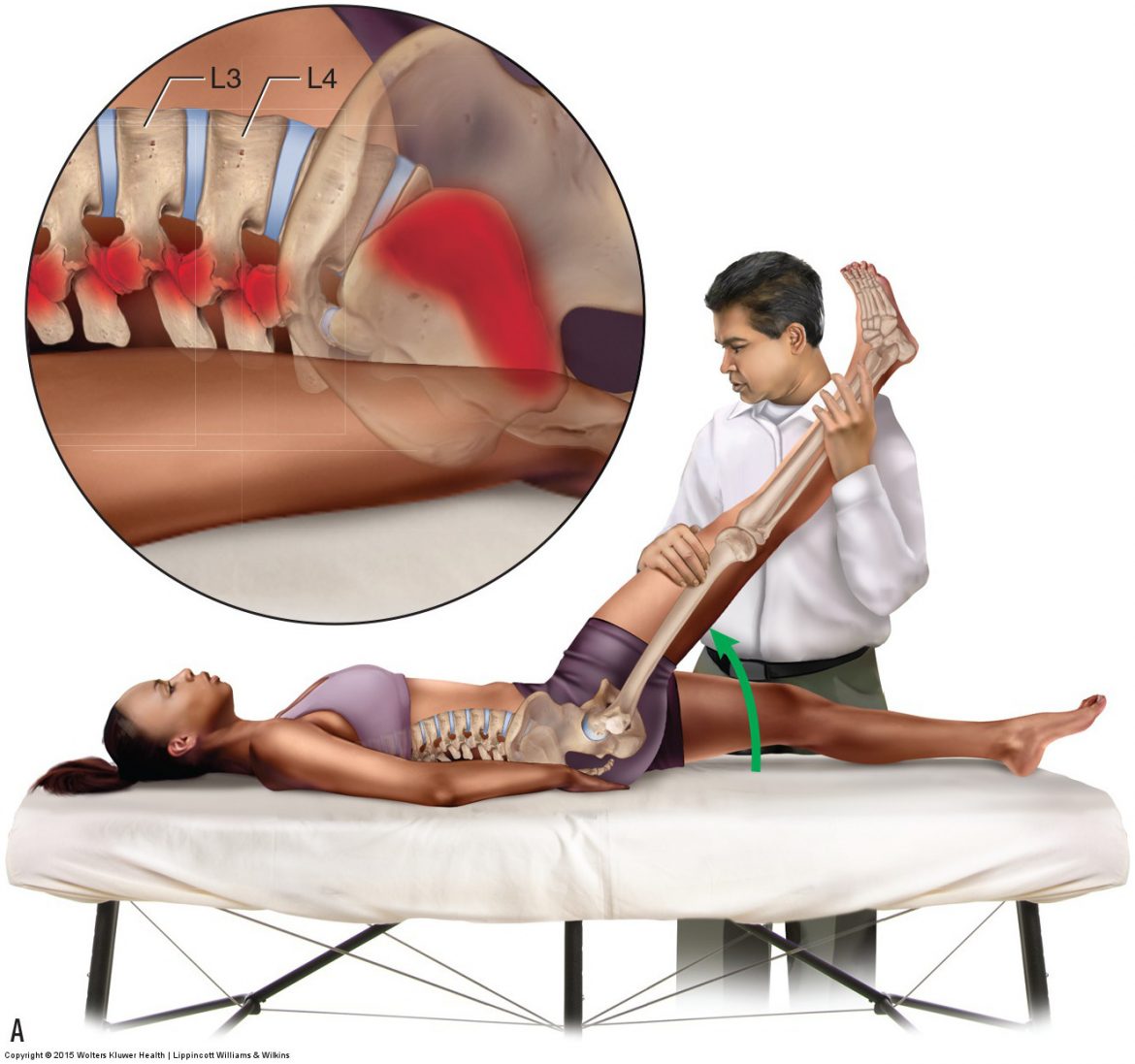
Straight Leg Raise And Manual Resistance Tests For Strains And Sprains
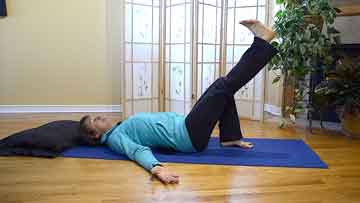
How To Do The Straight Leg Raise Exercise Properly

Pin On Miniscus

The Sensitivity Of The Seated Straight Leg Raise Test Compared With The Supine Straight Leg Raise Test In Patients Presenting With Magnetic Resonance Imaging Evidence Of Lumbar Nerve Root Compression Sciencedirect
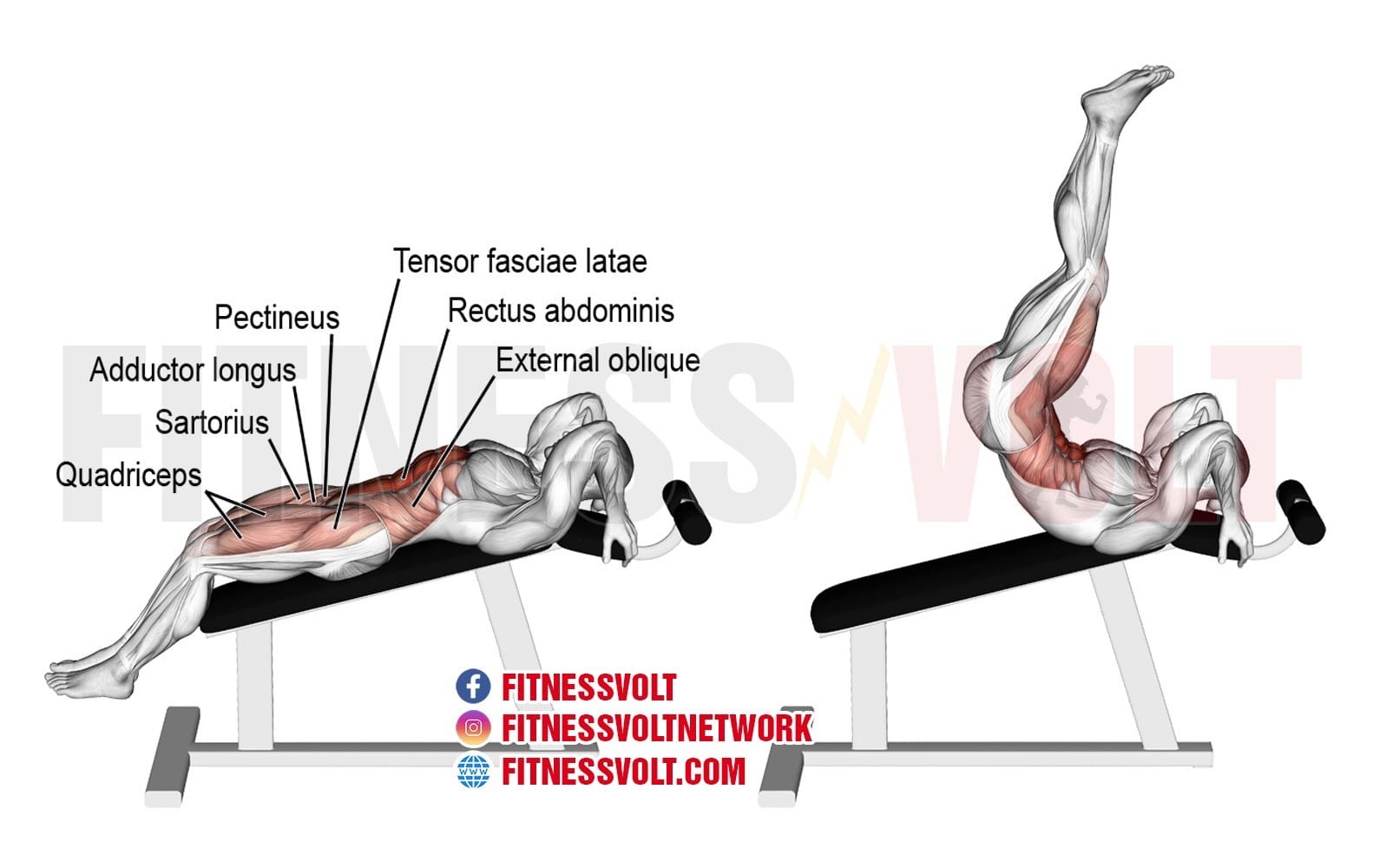
Incline Straight Leg And Hip Raise Abdominals Fitness Volt
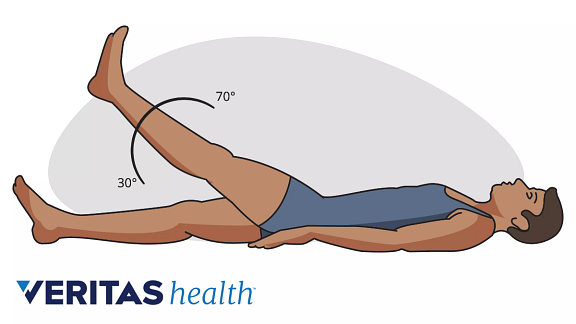
Diagnosing The Cause Of Sciatica
/Verywell-27-2696517-StraightLegRaise01-1954-59934a65c412440011d1e10a.gif)
Straight Leg Raising Exercises After Knee Surgery

Straight Leg Raise Slr Test Lasegue Test Lumbar Radicular Syndrome Youtube

Why A Simple Leg Raise Reveals A Surprising Amount About Your Body Stack
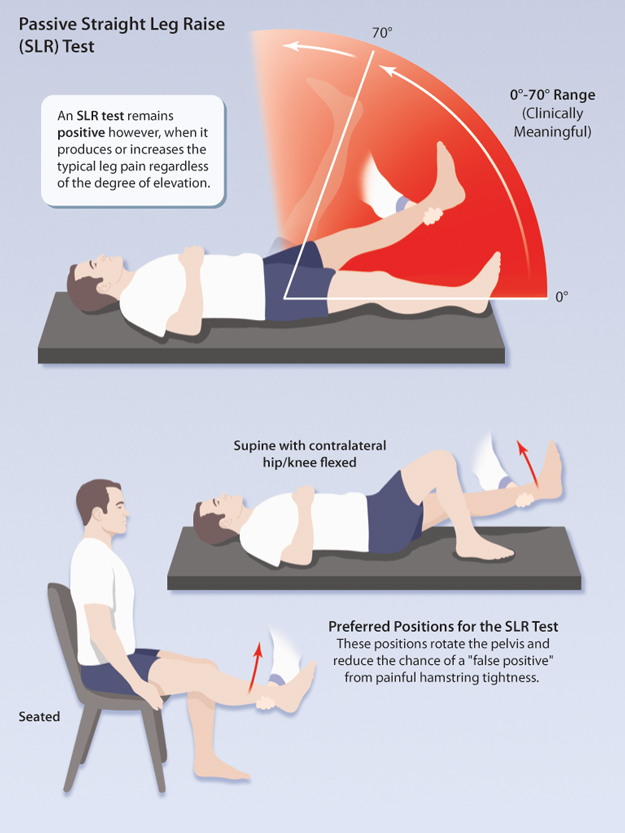
Passive Straight Leg Raise Test Definition Interpretation Limitations And Utilization Healthplexus Net

Straight Leg Raise Both Sides Youtube
Lying Straight Leg Raise Abdominals Fitness Volt

Straight Leg Raise 3 Way Exercise Demonstration Physical Therapy Exercises Youtube

Exrx Net Active Lying Straight Leg Raise Dowel

Illustrates The Straight Leg Raise Technique For Hamstring Download Scientific Diagram

Straight Leg Raise Images Stock Photos Vectors Shutterstock

How Why Is Straight Leg Raise Test Done Know Its Interpreration

Thera Band Cuff Weight Straight Leg Raise Performance Health Academy
Sciatica Diagnosis And Tests Cleveland Clinic

8 Assessment Passive Straight Leg Raise Slr Test Youtube

How To Do Leg Raises Benefits Instructions Variations Coach

Passive Moment About The Hip In Straight Leg Raising Sciencedirect

I The First Month H P
/DoubleStraightLegStretch_annotated-9894e63b6e8044b58b9dc705b6e5c4d1.gif)
How To Do Double Straight Leg Lifts In Pilates

Fms Basics Active Straight Leg Raise Rippel Effect Fitness

Active Straight Leg Raise Aslr Rayner Smale

Lecture 29 Modified Fms Active Straight Leg Raise Video On Vimeo
How To Do The Straight Leg Raise Exercise Properly
Lying Alternating Straight Leg Raise Instructions And Video
Straight Leg Raise Brace On Exercise How To Workout Trainer By Skimble
1

Straight Leg Raises Workout Guide Back Surgery Exercise

Straight Leg Raise Articles Mount Nittany Health System

The Resisted Straight Leg Raise Test The Hip Joint Was Actively Flexed Download Scientific Diagram
A Rant On Straight Leg Raises Slr Modern Manual Therapy Blog Manual Therapy Videos Neurodynamics Podcasts Research Reviews
Straight Leg Raise Archives Learn Muscles
Active Straight Leg Raise Tony Gentilcore

Elastic Band Straight Leg Raise Slr Hep2go Youtube
Inter Rater Agreement Sensitivity And Specificity Of The Prone Hip Extension Test And Active Straight Leg Raise Test Chiropractic Manual Therapies Full Text

Exercises For Knee Pain 10 Exercises For Pain Relief
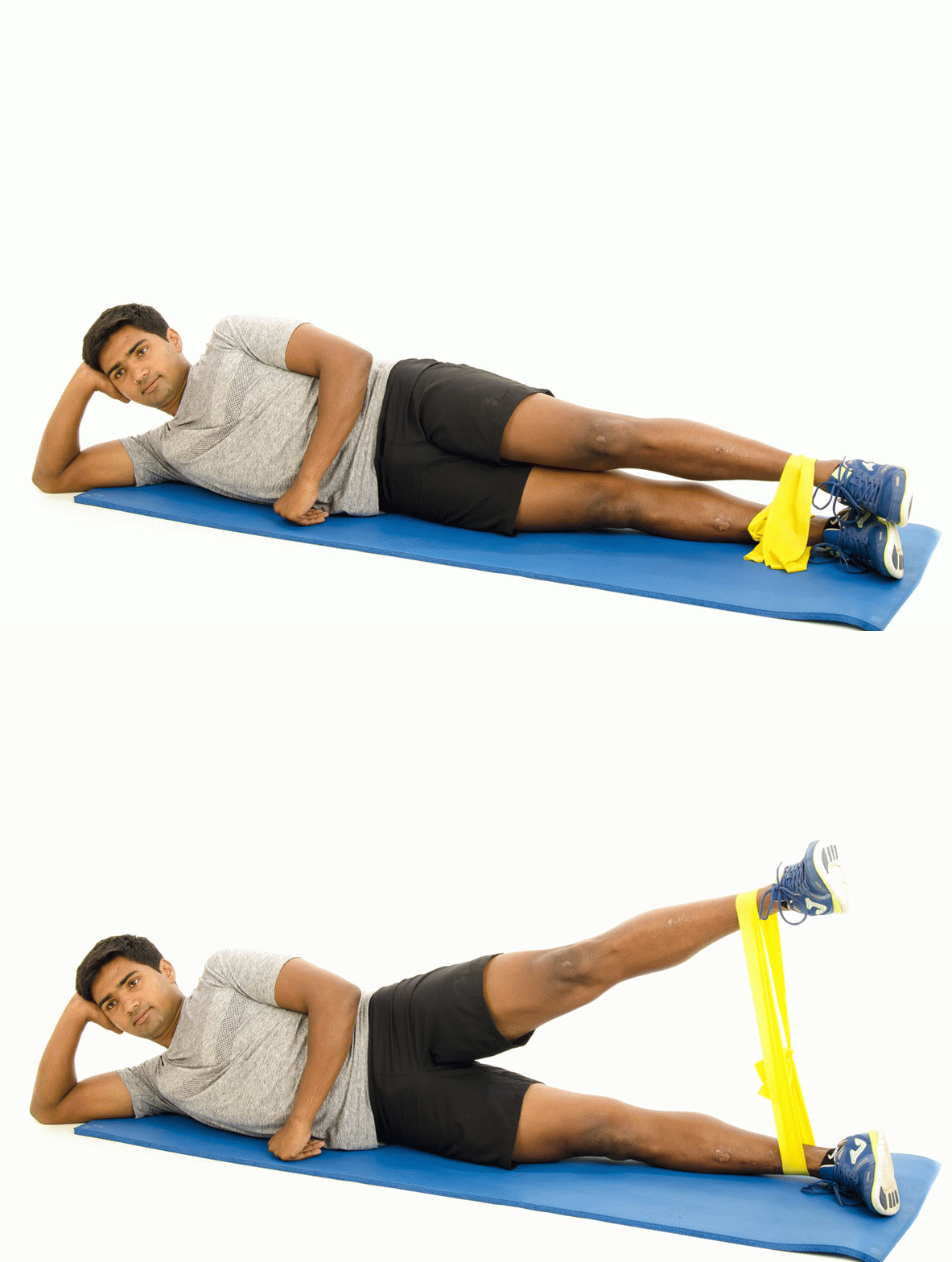
Side Lying Straight Leg Raise With Theraband Vissco Healthcare Private Limited
Q Tbn And9gct2zpjtftplq6evutynwxyl7mjnlwuz0odesipodks Sykrkf6h Usqp Cau

Crossed Straight Leg Raise Test
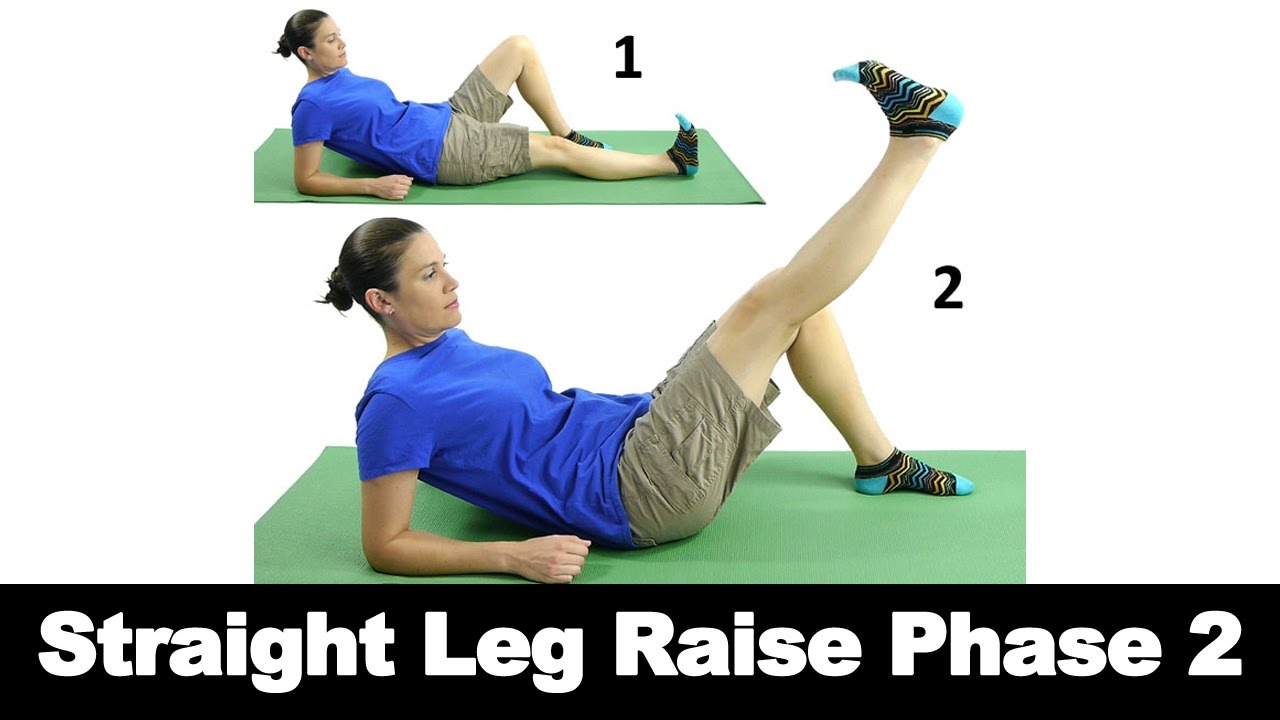
Straight Leg Raise Phase 2 Ask Doctor Jo
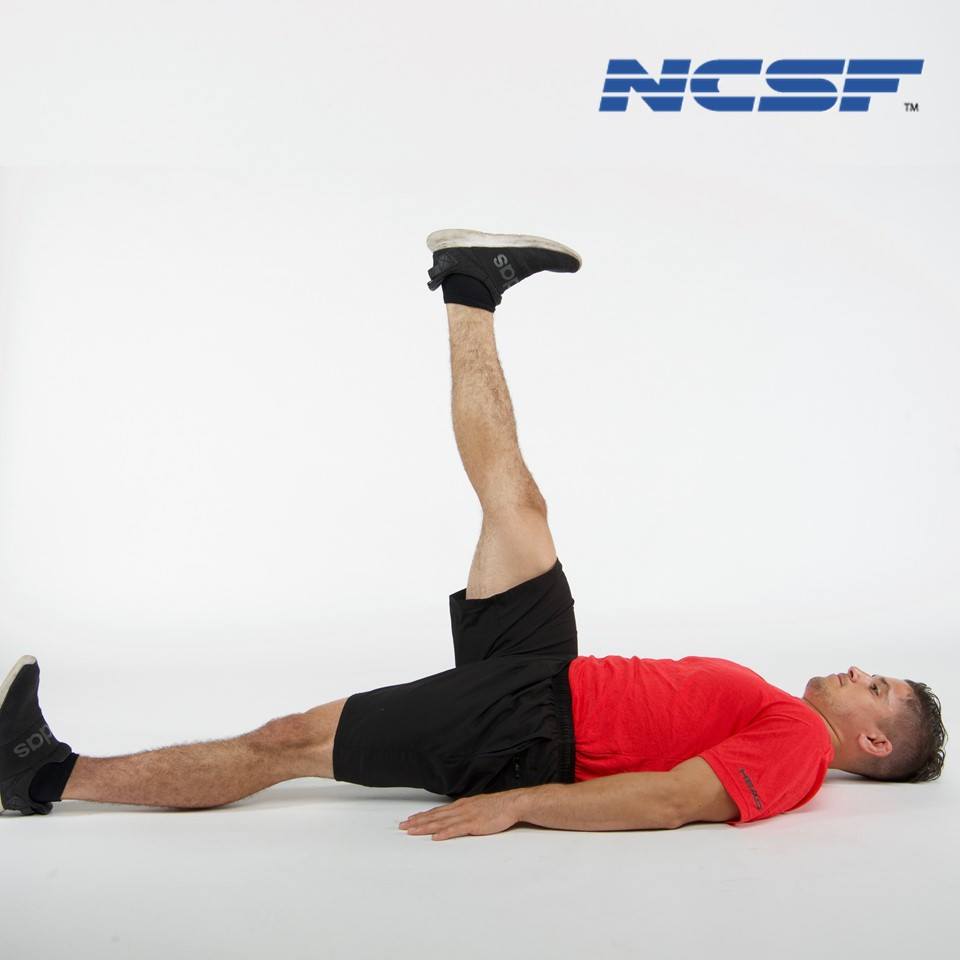
Active Straight Leg Raise Test Assessed National Council On Strength Fitness Ncsf Facebook
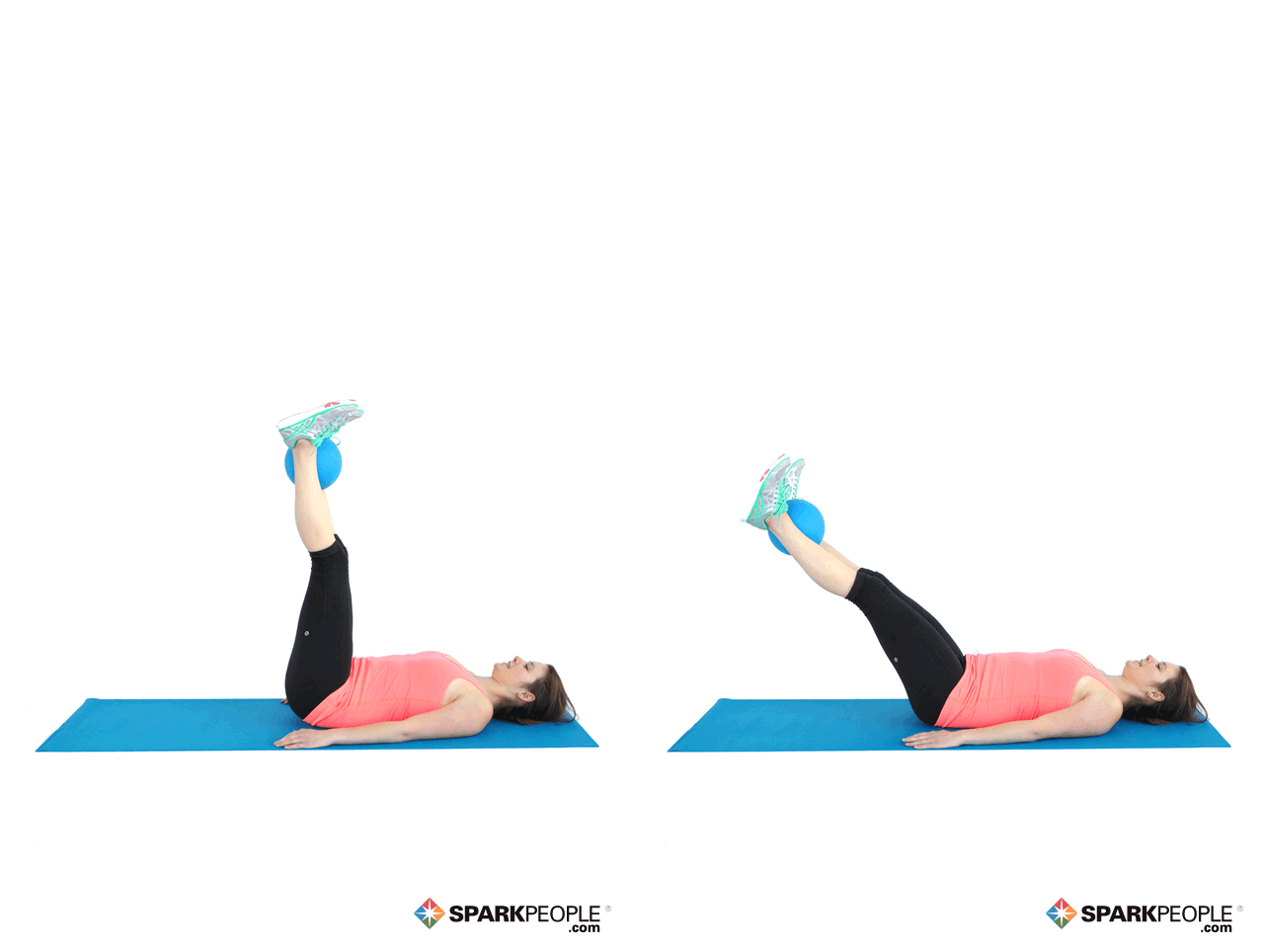
Lying Straight Leg Raises With Medicine Ball Exercise Demonstration Sparkpeople
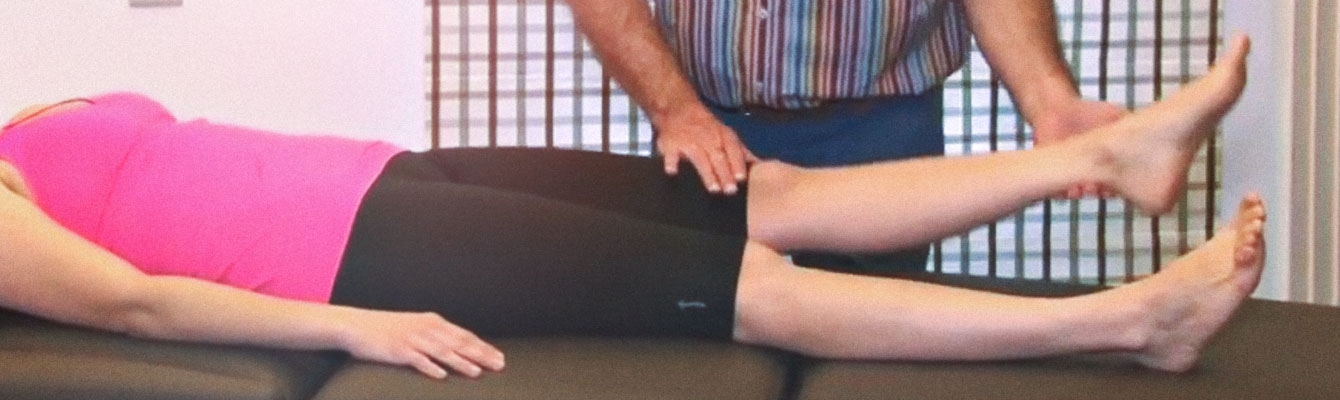
7 Ways To Interpret A Positive Straight Leg Raise Test Blog Optp
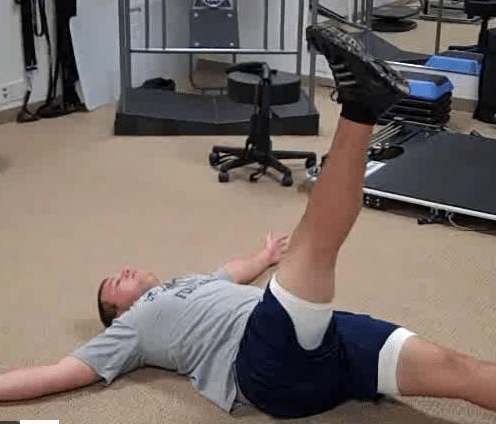
Corrective Exercises And Functional Movement Screen

Knee Rehabilitation Straight Leg Raises


